 In development
If Deinonychus is the predator's meat, Brachiosaurus is its opposite in every dimension that matters at the table — and it is the project we are most excited about.
Bringing back the plant-eaters
Brachiosaurus was an enormous, long-necked herbivore of the Late Jurassic, perhaps 150 million years ago. A life spent eating plants produces a fundamentally different muscle from a life spent hunting, and we expect that difference to be the whole point. Where Deinonychus is lean and assertive, our reconstructions point to a Brachiosaurus meat that is milder, distinctly sweeter, and more generously marbled — closer in spirit to the richest, most prized cuts a modern kitchen knows, but unmistakably its own.
It is the first herbivore we intend to bring back to the table, and, we believe, the first time anyone will taste what a plant-eater of the deep past was actually made of.
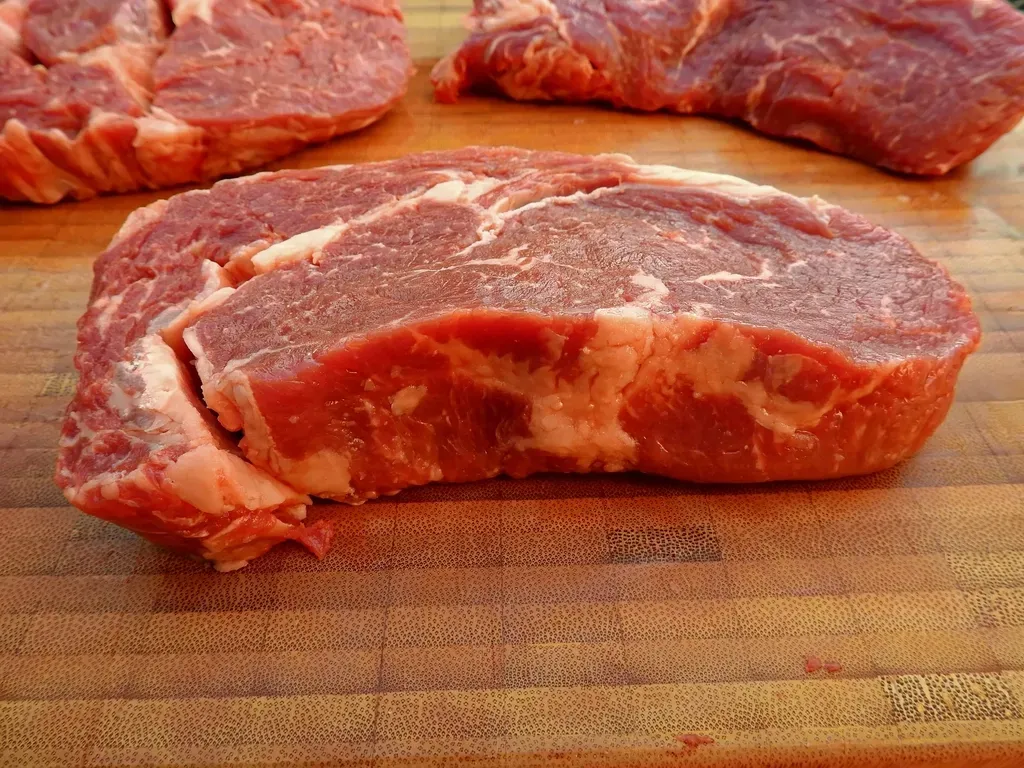
The hero cut: the Ribeye
We are leading the Brachiosaurus line with a Ribeye — and the choice is deliberate. A ribeye lives or dies on marbling and richness, the exact qualities a herbivore's biology is best positioned to deliver. It is the cut that will show what makes this species different, in a single bite. (It is also, pointedly, a cut we never made from Deinonychus; the two species are meant to be experienced on their own terms.)
Status
Brachiosaurus is in active development and not yet released. We are holding to the same bar we set for Deinonychus: we will not serve it until it is something a discerning person would choose again. Early prototypes show higher marbling and a milder profile; we are still evaluating whether the eating experience justifies the projected price. Progress will be shared through the Newsroom.
Bringing the Taste of the Past, Tomorrow.